

Legacy Luncheon
Case Study
Re-engaging Legacy Stakeholders, Preserving Organizational History, and Creating a New Revenue Stream
Organization: Black Tie Dinner
Year Launched: 2024
Role: Senior Co-Chair
Responsibilities: Strategic Planning, Stakeholder Engagement, Community Building, Sponsorship Development, Marketing Strategy, Event Production, Fundraising
Executive Summary
As Senior Co-Chair of Black Tie Dinner, I identified an opportunity to reconnect an important but increasingly disengaged segment of our community: the founders, former board leaders, award recipients, and longtime supporters who helped build the organization but no longer participated in our annual fundraising Dinner.
To address this challenge, I conceived and launched the Black Tie Dinner Legacy Luncheon, a daytime event designed to celebrate the organization's history, strengthen intergenerational relationships, and create a new philanthropic engagement channel.
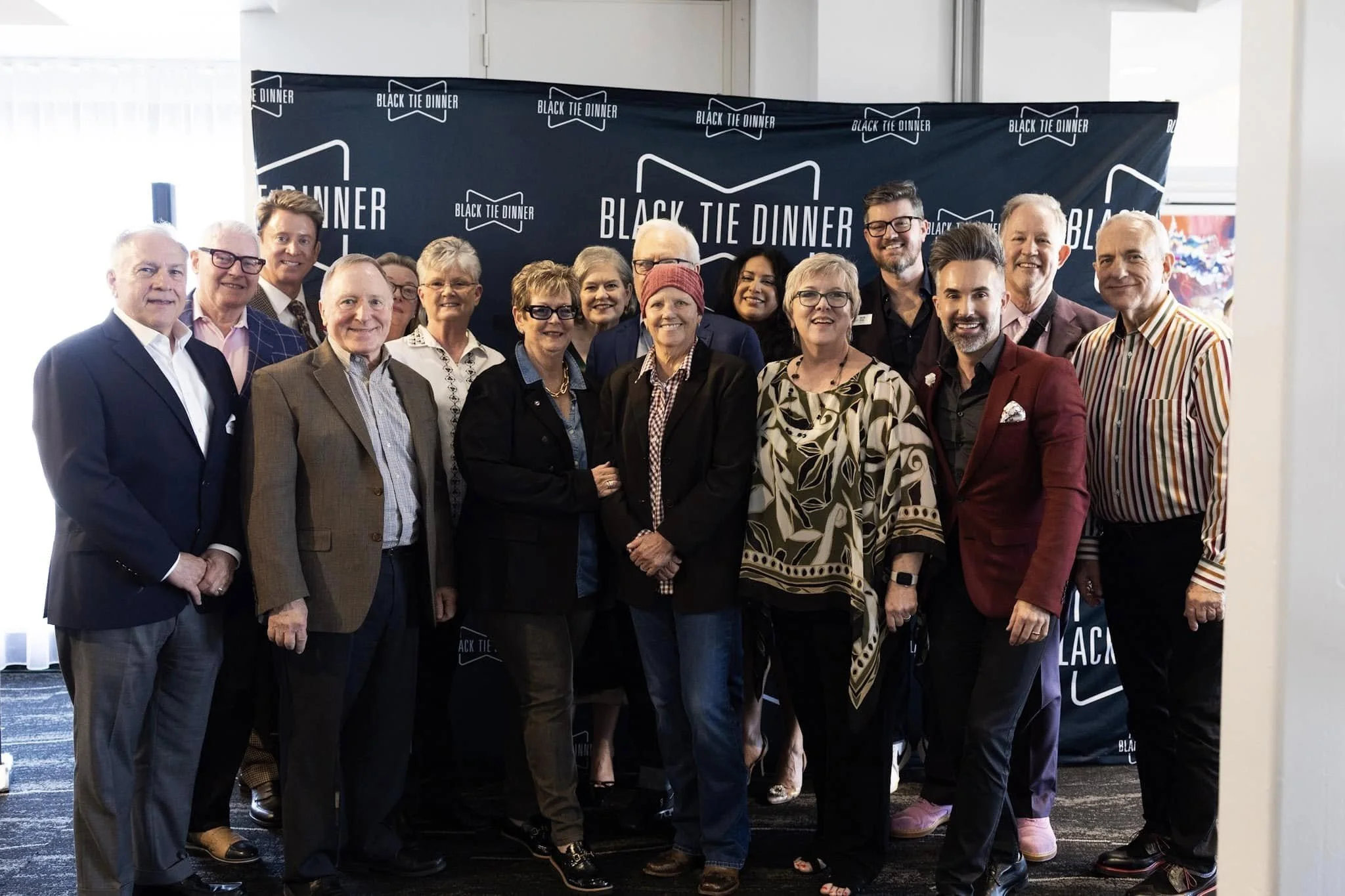
The inaugural event generated $27,686 in net revenue on approximately $7,000 in expenses, re-engaged dozens of former leaders, reconnected 16 former Co-Chairs, and established what has since become a permanent annual program for the organization.
The Challenge
Black Tie Dinner has a rich history spanning more than four decades. However, over time, many of the organization's founding members, former board leaders, and longtime supporters had become disconnected from the annual fundraising event.
The reasons varied:
Evening events were no longer practical or desirable
Some individuals had simply fallen out of touch with current leadership
Traditional fundraising approaches no longer resonated with this audience
Institutional knowledge and historical connections were becoming increasingly fragmented
At the same time, a new generation of board leadership had little opportunity to build relationships with the individuals who had created and sustained the organization for decades.
The challenge became clear:
How might we reconnect our legacy stakeholders in a way that honored their contributions, strengthened our community, and created new opportunities for engagement and support?
The Insight
Rather than attempting to convince former supporters to return to the traditional annual gala, I proposed creating an entirely new experience designed specifically around how this audience wanted to engage.
The solution was not another fundraiser.
It was an opportunity to reconnect through:
Storytelling
Shared history
Recognition
Community
Institutional pride
Philanthropic legacy
The Solution
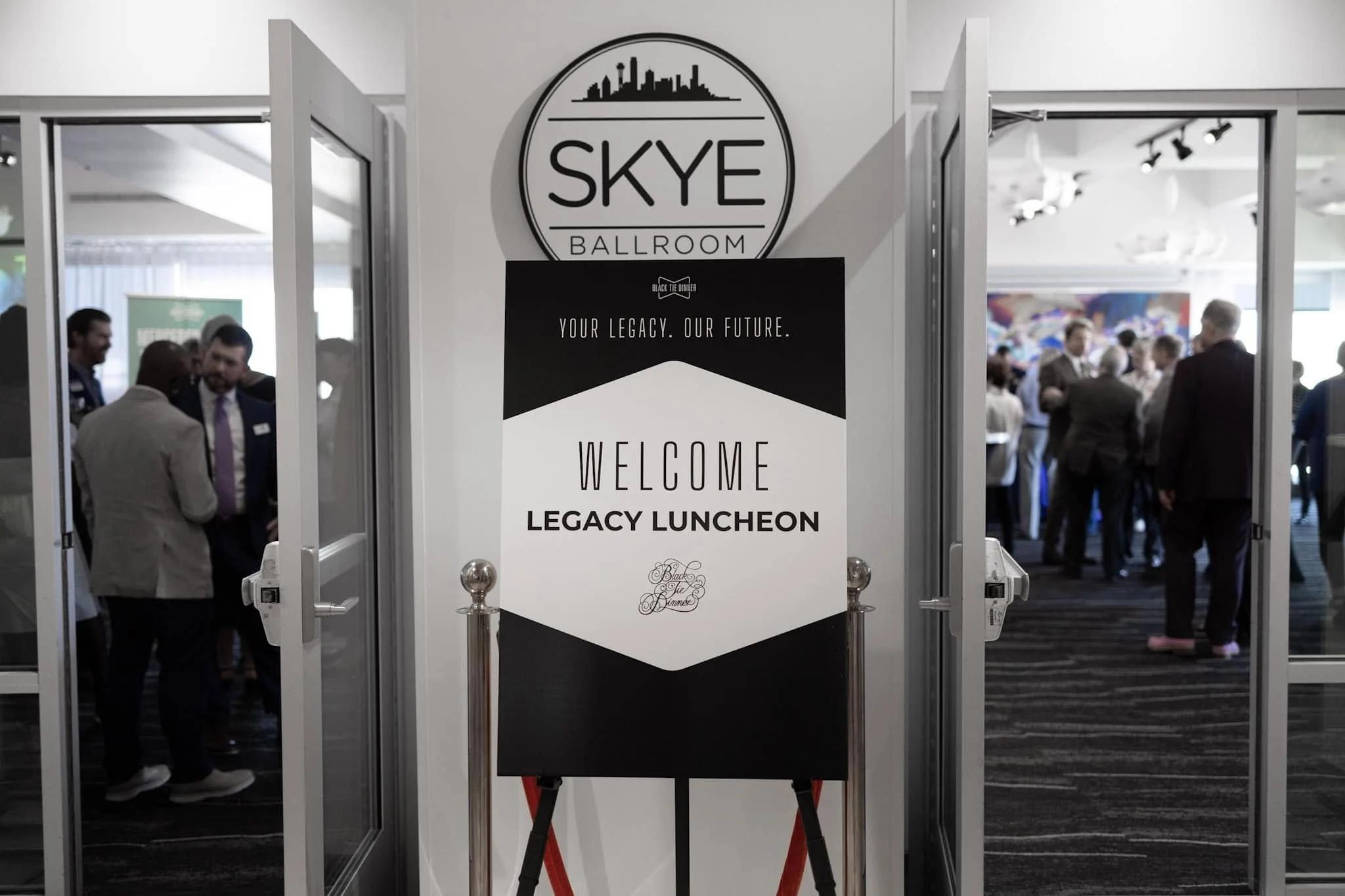
I developed the concept for the Black Tie Dinner Legacy Luncheon—a daytime event celebrating the organization's history while bringing together former and current generations of leadership.
The experience was intentionally designed to be:
Accessible and welcoming
Rich in storytelling and nostalgia
Focused on community and legacy
Financially sustainable
Scalable for future growth
Key Components
Community Development
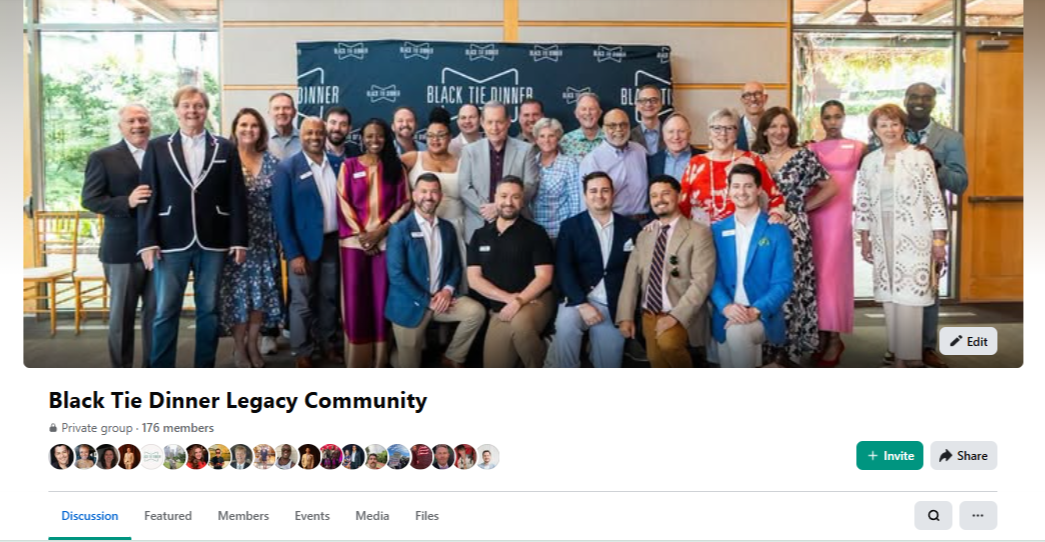
To identify and reconnect former supporters, I created the Black Tie Dinner Legacy Community, a dedicated Facebook group that quickly grew to 176 members.
In addition, we built a dedicated email database to establish ongoing communications with our legacy audience and create a long-term engagement strategy.
Event Experience Design
The inaugural Legacy Luncheon featured:
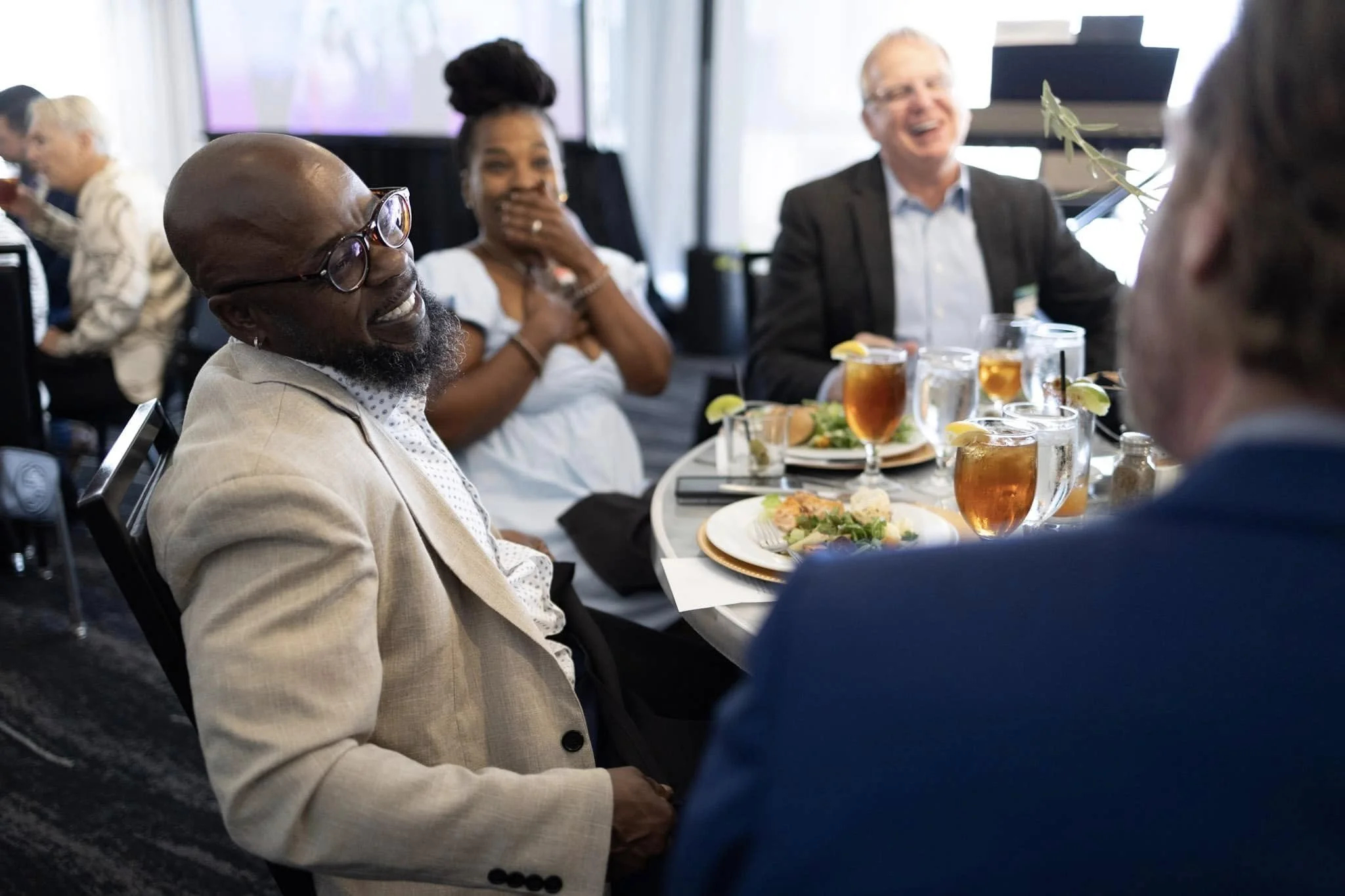
A two-hour daytime luncheon experience
Historical photography and archival displays
Storytelling centered on Black Tie Dinner's history
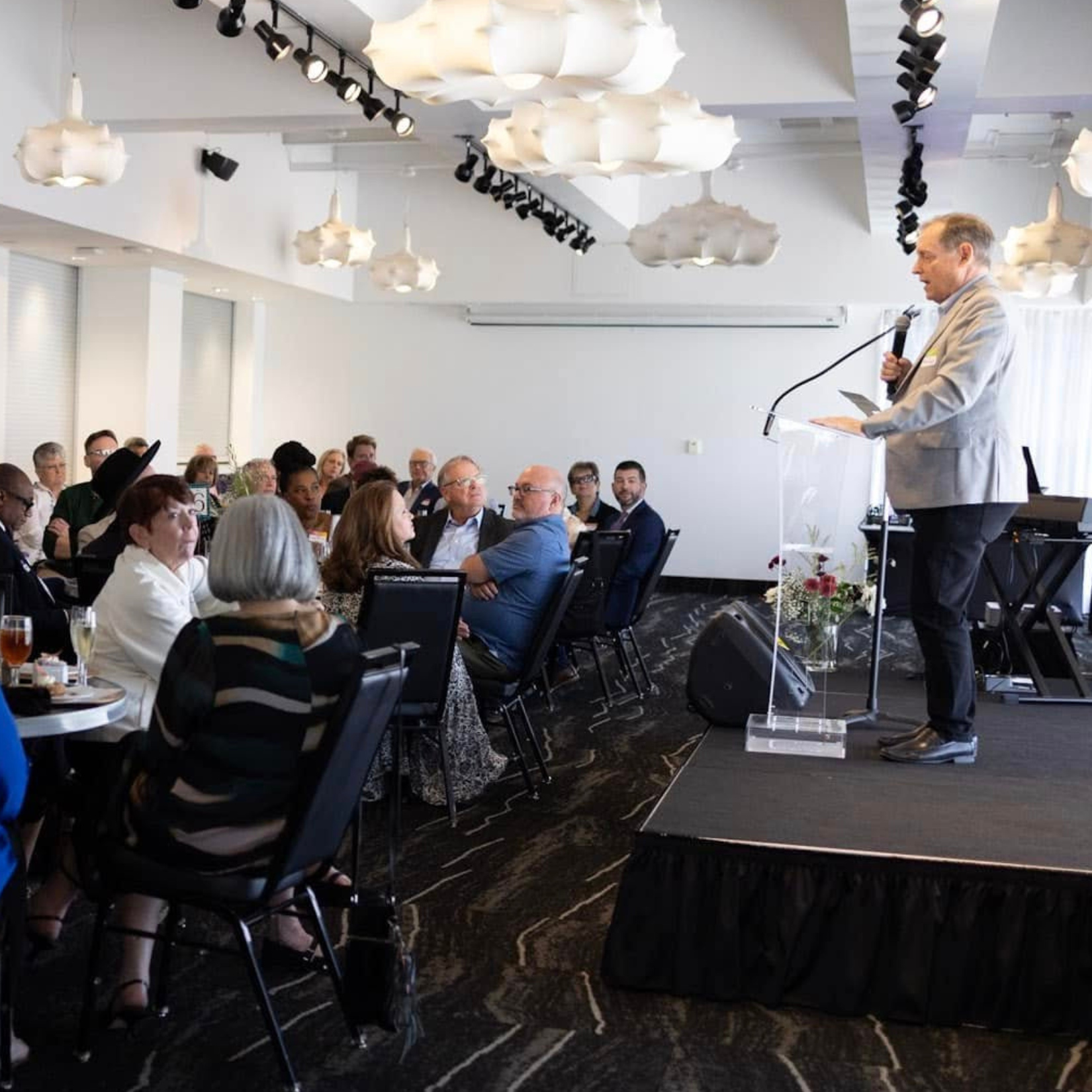
Guest speakers and organizational leaders
Invitations to current and former board members, Kuchling Award recipients, and longtime supporters
Sponsorship Strategy
To offset costs and generate additional philanthropic support, we developed a tiered sponsorship structure:
Legacy Founder: $5,000+
Legacy Circle: $2,500+
Legacy Ambassador: $1,000+
Additional revenue was generated through a live fundraising appeal during the luncheon.
The Methodology
The Legacy Luncheon was conceived mid-year and was not included in the organization's annual budget.
To move the initiative forward, I:
Developed the strategic rationale and financial model
Built support among board leadership and stakeholders
Presented the concept and projected outcomes to the Board of Directors
Secured unanimous board approval
Following approval, my Co-Chair partner, Lili Villarreal, and I owned the initiative from concept through execution, leading:
Strategic planning
Event design
Marketing and communications
Sponsorship development
Venue negotiations
Budget management
Programming
Event execution
Leveraging existing organizational relationships, we negotiated with The Lorenzo Hotel to host the inaugural luncheon, helping minimize expenses while maximizing fundraising impact.
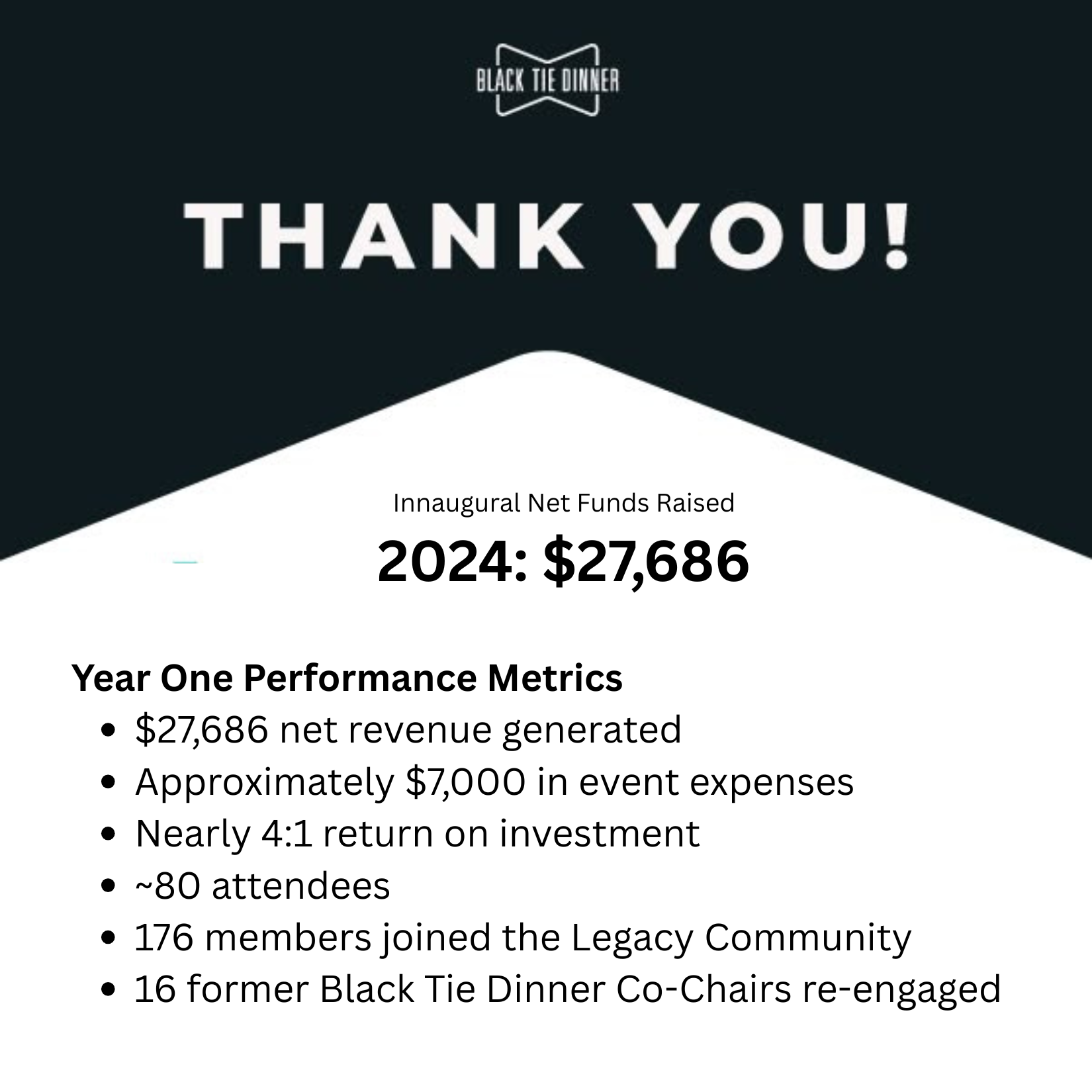
Financial Results
Year Net Funds Raised
2024: $27,686
2025: $14,000
2026: $18,000
Long-Term Organizational Impact
One of the most meaningful outcomes of the inaugural Legacy Luncheon was reconnecting with Black Tie Dinner founder Mike Anglin, who agreed to serve as keynote speaker.
Mike shared the origin story of Black Tie Dinner and, after years away from the organization, was inspired to attend the 2024 annual Black Tie Dinner.
The relationship continued to deepen:
Mike was invited to present Black Tie Dinner's history at the annual board retreat in 2025
Black Tie Dinner formally renamed its Trailblazer Award to the Mike Anglin Trailblazer Award in recognition of his foundational contributions
The presentation was made to Mike during the second annual Legacy Luncheon
Following the success of the inaugural event, the Legacy Luncheon became an official annual Black Tie Dinner program.
By its second year, the event had expanded to a larger venue at the Dallas Arboretum & Botanical Gardens, and in 2027 the program will enter its fourth consecutive year.
Key Takeaways
The Black Tie Dinner Legacy Luncheon demonstrated that strategic community engagement can create value far beyond traditional fundraising metrics.
This initiative successfully:
Created a new annual fundraising revenue stream
Re-engaged previously inactive stakeholders
Preserved institutional history
Strengthened intergenerational leadership relationships
Created sustainable community infrastructure
Established a recurring organizational program with measurable long-term impact
Perhaps most importantly, it reinforced a simple truth:
Sometimes the greatest opportunity for growth is not finding new supporters but reconnecting with the people who helped build the organization in the first place.